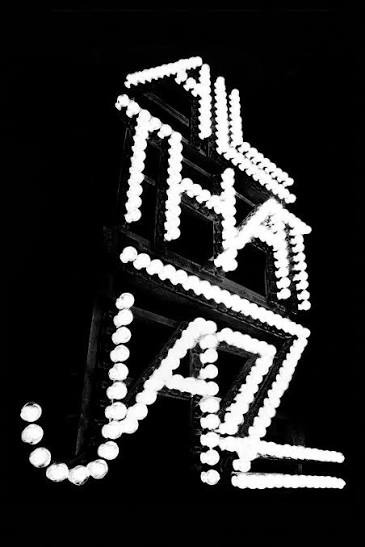
All That Jazz (1979) · Bob Fosse
An artist crucifying himself on screen
“At least I won’t have to lie to you any more.”
Film, stage, dancing, art - the only place Bob Fosse could, for a time, do away with the bullshit and quit being a bullshitter.
All That Jazz is a self-aware, prophetically haunting self-portrait of a guilt-ridden artist who knows that he’s a louse, who knows that his demands, insecurities, selfishness and passions affect not only himself, but those closest to him, and who continues to fulfill the passions of his hedonistic lifestyle because its the only thing that truly gives him life. A man who knows he cannot change, no matter how much he wishes he could. And like all the “greats” who have gone down the similar path, in the end, you wind up with a man who lies on his deathbed stripped of everything but his final regrets.
Bob Fosse knew exactly where his life was headed. Eight years after All That Jazz’s release, he would go on to die of a heart attack at age 60. In this film, he makes no effort to lie and distort his image to win sympathy. He actually does the exact opposite. Perhaps Fosse believed crucifying himself on screen was the only way he could make up for his wrongs, by projecting his faults, insecurities and humiliations for all the world to see. From this, what you get is one of the most honest self-portraits of an artist in all of film. I would still argue that Fellini does it better with 8½, but All That Jazz takes Fellini’s ideas to a more pessimistic and morbid destination, all against the backdrop of flamboyant musical set pieces and fantasies bordering between life and death.
Reviewed on Letterboxd on 23 July 2026