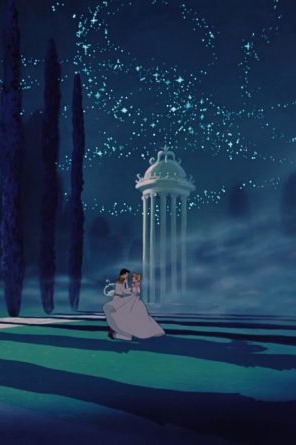
Cinderella (1950) · Clyde Geronimi, Hamilton Luske & Wilfred Jackson
Be kind to nature, and nature will be kind to you
A recurring philosophy that seems to run deep in the early Disney films is this metaphysical idea that if you are kind to nature, then nature will be kind to you. Cinderella may be a fairy-tale, but it is a profound proponent of the very ideas associated with karma that what you put out into the world in your life, good or bad, will either one day reap you good fortune or sow adversity and failure. Even through the hardship and abuse Cinderella is subjected to at the hands of her stepmother and step-sisters, still does she retain all of her grace and charm, and doesn’t go down a darker path that so many subjected to such neglect and misery would. Cinderella is rewarded for this, and for the kindness she shows to the mice and the animals around her chateau. There really is a lot of valuable ethics to take away from these stories, and I find my appreciation for them only continues to grow the older I become, and this is coming from somebody too who never actually grew up watching vintage Disney. The stories are short, simple, never overstay their welcome, and yet they are brimming with so much profound lifelong influence on morality and ethics more so than anything modern Disney has cooked up in decades.
While the mice are very important characters that go on to sow these profound ideas about nature and karma I’m talking about, to me they are the least compelling part of the film to watch, and the first forty minutes sees more emphasis on them and their antics than our titular princess. When the film is just focused on Cinderella’s story, and we’re tuned in to it’s noble romanticism, then you’re watching everything that makes old Disney so beautiful.
Reviewed on Letterboxd on 14 May 2025